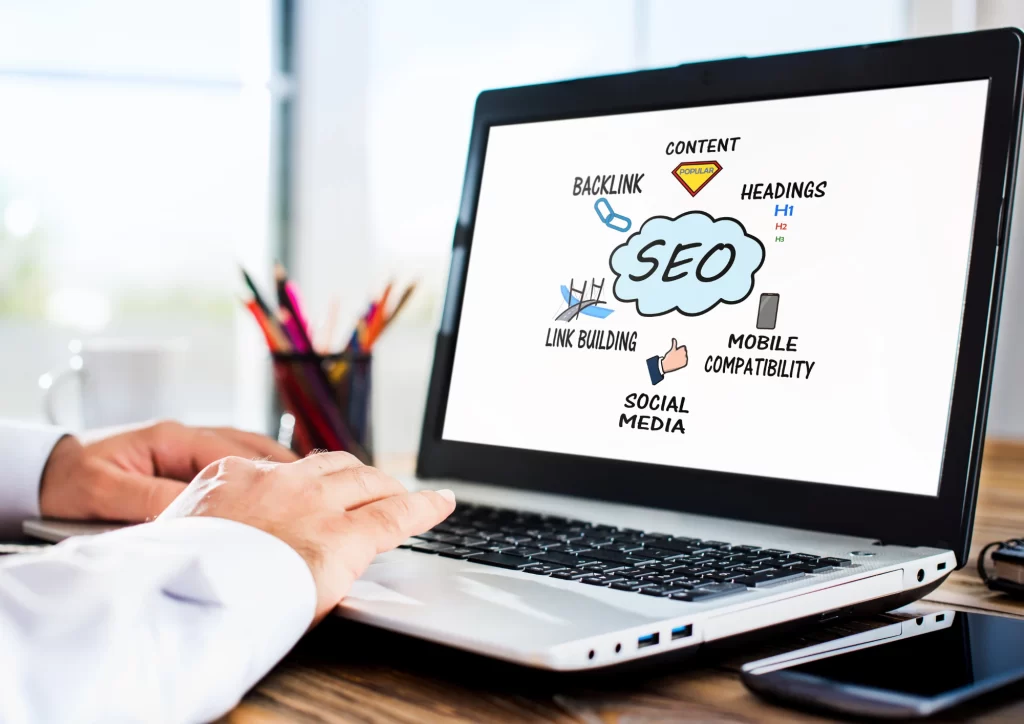
In the competitive world of digital marketing, appearing on the first page of search engines is a top priority for businesses. While many focus on backlinks and social signals, on-page SEO remains a cornerstone of search engine optimization. By optimizing elements within your website, you improve its visibility, user experience, and performance in search results. Let’s explore the essential on-page SEO techniques that every website must use.
1. Optimize Title Tags
Your title tag is one of the first things search engines and users see. Make sure it’s:
-
Unique for each page
-
Includes primary keywords
-
Compelling enough to encourage clicks
Keep it under 60 characters to avoid truncation in search results.
2. Use Meta Descriptions Wisely
Although meta descriptions don’t directly impact rankings, they influence click-through rates. A good meta description:
-
Summarizes the page content clearly
-
Contains relevant keywords
-
Stays within 155–160 characters
Think of it as your page’s elevator pitch in search listings.
3. Focus on Header Tags (H1, H2, H3)
Header tags structure your content and help both users and search engines understand the hierarchy of information.
-
Use H1 for the main title (only once per page)
-
Use H2 and H3 for subheadings to break down content logically
Including keywords in headers improves SEO and enhances readability.
4. Write High-Quality, Keyword-Rich Content
Content is king, but context is queen. Your on-page content should:
-
Answer user queries effectively
-
Incorporate relevant keywords naturally
-
Be original, valuable, and informative
Avoid keyword stuffing; use synonyms and related terms to build topical relevance.
5. Optimize URLs
Clean and descriptive URLs improve user trust and Search Engine Optimization. Follow these tips:
-
Keep URLs short and meaningful
-
Use hyphens to separate words (e.g., yourdomain.com/seo-tips)
-
Include relevant keywords when appropriate
6. Internal Linking
Internal links guide users to other relevant content on your site and help search engines crawl your pages efficiently. Ensure:
-
You use descriptive anchor text
-
Links are natural and useful to readers
-
You avoid excessive linking from one page
7. Use Image Alt Text
Search engines can’t “see” images, but alt text helps them understand image content. For each image:
-
Include a brief, descriptive alt tag
-
Use keywords sparingly
-
Help visually impaired users with accurate descriptions
8. Mobile-Friendliness
With mobile-first indexing, a mobile-responsive site is non-negotiable. Your site should:
-
Load quickly on smartphones
-
Be easy to navigate on small screens
-
Display content properly across devices
9. Improve Page Load Speed
Fast-loading pages reduce bounce rates and improve user experience. Optimize by:
-
Compressing images
-
Minimizing CSS and JavaScript
-
Leveraging browser caching
Use tools like Google PageSpeed Insights to identify and fix speed issues.
10. Implement Structured Data (Schema Markup)
Structured data helps search engines understand your content better. It enables rich snippets like ratings, reviews, and FAQs in search results. Use schema markup to:
-
Highlight important content (e.g., articles, products, events)
-
Improve CTR with enhanced search appearance
-
Help voice search engines interpret your site
Final Thoughts
On-page SEO is the foundation of every successful SEO strategy. By mastering these techniques, you not only improve your chances of ranking higher but also enhance the overall user experience. Regularly audit your site and update content to keep up with algorithm changes and industry best practices.
Start applying these on-page SEO tactics today, and watch your website climb the search engine ranks!